Showing posts with label protocol. Show all posts

Sunday, 19 April 2020

Coronavirus vaccine may be ready for mass production by autumn: Oxford scientist

The WHO is creating a forum for everyone developing Covid-19 vaccines to share their plans and initial findings, according to Gilbert (Photo: Reuters)


  • A team led by Oxford professor Sarah Gilbert has recruited 500 volunteers from the ages of 18 to 55 for the early- and mid-stage randomized controlled trial
  • Gilbert was awarded a £2.2 million grant from the UK’s National Institute for Health Research and UK Research and Innovation in March to scale up her team’s efforts to move into Covid-19 vaccine research
MELBOURNE/LONDON : A coronavirus vaccine trial by University of Oxford researchers aims to get efficacy results by September, and manufacturing is already underway.
A team led by Sarah Gilbert, a professor of vaccinology, has recruited 500 volunteers from the ages of 18 to 55 for the early- and mid-stage randomized controlled trial. It will be extended to older adults and then to a final stage trial of 5,000 people. Gilbert said that the timing is ambitious but achievable.
“We would hope to have at least some doses that are ready to be used by September," she said in an interview. “There won’t be enough for everywhere by then, but the more manufacturing we can do starting from now, then the more doses there will be."
Volunteers to take part in the trial have been abundant, she said, and it’s no longer accepting new subjects.
Gilbert, whose research on vaccines began at the University of Oxford in 1994, was awarded a £2.2 million ($2.8 million) grant from the UK’s National Institute for Health Research and UK Research and Innovation in March to scale up her team’s efforts to move into Covid-19 vaccine research.
The group’s experimental immunization is among the first to enter clinical trials. The World Health Organization counts 70 vaccine candidates in development, with three others in human testing. They are from CanSino Biological Inc. and the Beijing Institute of Biotechnology; Inovio Pharmaceuticals Inc.; and Moderna Inc. along with the National Institute of Allergy and Infectious Diseases.
Gilbert’s trial divides 510 participants into five groups that will be observed for about six months with the option for a follow-up visit about a year after entering the trial. One group will receive a second intramuscular shot of the vaccine four weeks after the initial immunization.
The research aims to determine the efficacy, safety and immunogenicity of the candidate vaccine, named ChAdOx1 nCoV-19. A vaccine against meningococcal disease will be given to participants who will be randomly chosen for control purposes.
Overseas partners?
ChAdOx1 nCoV-19 is a so-called recombinant viral vector vaccine. It’s made from a harmless virus that’s been altered to produce the surface spike protein of the pandemic-causing SARS-CoV-2 virus.
The vaccine acts by priming the immune system to recognize and attack the coronavirus, stimulating a T-cell response. It uses the same technology as a shot Gilbert’s team previously developed for the related MERS coronavirus. That vaccine appeared to be safe in animal and early-stage human testing, giving confidence for the coronavirus version.
“We’re doing safety testing," Gilbert said, “but we’re not concerned."
Gilbert’s team has used the same technology for about 10 different vaccines, she said. The challenge that now arises is testing the vaccine even as virus infection rates vary.
“It’s going to be complicated trying to determine vaccine efficacy when the virus transmission in different places is going up and then going down again," she said. “The trial has to be set up in the right place at the right time and that’s very hard to predict. That’s why we’re planning to do multiple trials in multiple countries."
Another hurdle is money.
“We have some funding but we don’t have all of it yet," she said. “You can’t just go and start manufacturing at large scale. You have to put a lot of things in place and that’s what we’re trying to do at the moment. It’s in the order of tens of millions of pounds."
The WHO is creating a forum for everyone developing Covid-19 vaccines to share their plans and initial findings, according to Gilbert.
“Work is continuing at a very fast pace," she told the Lancet medical journal, “and I am in no doubt that we will see an unprecedented spirit of collaboration and cooperation, convened by WHO, as we move towards a shared global goal of Covid-19 prevention through vaccination."

Coronavirus disease: What is it and how can I protect myself?


Coronavirus Disease (COVID-19) Information for Dialysis Patients ...


A new virus called the severe acute respiratory syndrome coronavirus 2 (SARS-CoV-2) was identified as the cause of a disease outbreak that began in China in 2019. The disease is called coronavirus disease 2019 (COVID-19).
In March 2020, the World Health Organization (WHO) declared COVID-19 a pandemic. Public health groups, including the U.S. Centers for Disease Control and Prevention (CDC) and WHO, are monitoring the pandemic and posting updates on their websites. These groups have also issued recommendations for preventing and treating the illness.

How does COVID-19 spread?

Data has shown that it spreads from person to person among those in close contact (within about 6 feet, or 2 meters). The virus spreads by respiratory droplets released when someone infected with the virus coughs, sneezes or talks.

What are the symptoms of COVID-19?

COVID-19 symptoms can be very mild to severe. Some people have no symptoms. Mild symptoms may include fever, fatigue, cough, sore throat, headache, and decreased sense of smell or taste. More severe symptoms may include shortness of breath, chest pain, severe vomiting and diarrhea. Symptoms may appear two to 14 days after exposure.

Can COVID-19 be prevented or treated?

A vaccine isn't currently available for the coronavirus disease 2019 (COVID-19). No antiviral medication is recommended to treat COVID-19. Treatment is directed at relieving symptoms.

What can I do to avoid becoming ill?

The CDC recommends following these precautions for avoiding COVID-19:
  • Avoid large events and mass gatherings.
  • Wear a cloth face mask in public areas
  • Avoid close contact (within about 6 feet, or 2 meters) with people outside of your home.
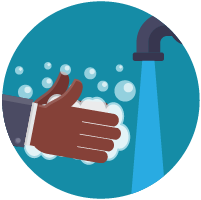
  • Wash your hands often with soap and water for at least 20 seconds, or use an alcohol-based hand sanitizer that contains at least 60% alcohol.
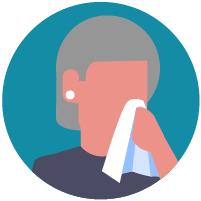
  • Cover your mouth and nose with your elbow or a tissue when you cough or sneeze. Throw away the used tissue.
  • Avoid touching your eyes, nose and mouth.
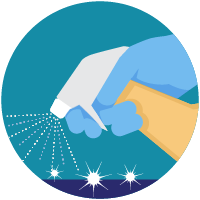
  • Clean and disinfect surfaces you often touch on a daily basis.
If you have a chronic medical condition and may have a higher risk of serious illness, check with your doctor about other ways to protect yourself.

Should I wear a mask?

The CDC recommends wearing cloth face coverings in public places, such as the grocery store, where it's difficult to avoid close contact with others. It's especially suggested in areas with ongoing community spread. This updated advice is based on data showing that people with COVID-19 can transmit the virus before they realize they have it. Using masks in public may help reduce the spread from people who don't have symptoms. Non-medical cloth masks are recommended for the public. Surgical masks and N-95 respirators are in short supply and should be reserved for health care providers.

Can I travel?

If you're planning to travel, first check for travel advisories. You also may want to talk with your doctor if you have health conditions that make you more susceptible to respiratory infections and complications.

What can I do if I am or may be ill with COVID-19?

If you develop symptoms and you've been exposed to the virus COVID-19, contact your doctor for medical advice. If you need to go to the doctor or hospital, call ahead so health care providers can take steps to ensure that others aren't exposed.
Take the following precautions to avoid spreading the illness:
  • Stay home from work, school and public areas, except to get medical care.
  • Avoid taking public transportation if possible.
  • Wear a mask around other people.
  • Isolate yourself as much as possible from others in your home.
  • Use a separate bedroom and bathroom if possible.
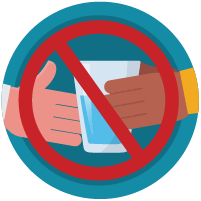
  • Avoid sharing dishes, glasses, bedding and other household items.

What to Do If You Are Sick

Steps to help prevent the spread of COVID-19 if you are sick

Follow the steps below:  If you are sick with COVID-19 or think you might have COVID-19, follow the steps below to care for yourself and to help protect other people in your home and community.
man in bed

Stay home except to get medical care

  • Stay home. Most people with COVID-19 have mild illness and can recover at home without medical care. Do not leave your home, except to get medical care. Do not visit public areas.
  • Take care of yourself. Get rest and stay hydrated.
  • Stay in touch with your doctor. Call before you get medical care. Be sure to get care if you have trouble breathing, or have any other emergency warning signs, or if you think it is an emergency.
  • Avoid public transportation, ride-sharing, or taxis.
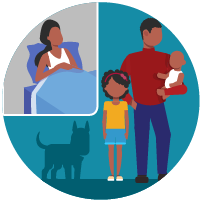
family separated

Separate yourself from other people and pets in your home

As much as possible, stay in a specific room and away from other people and pets in your home. Also, you should use a separate bathroom, if available. If you need to be around other people or animals in or outside of the home, wear a cloth face covering.
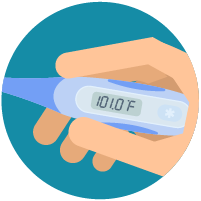
taking temperature

Monitor your symptoms

  • Common symptoms of COVID-19 include fever and cough. Trouble breathing is a more serious symptom that means you should get medical attention.
  • Follow care instructions from your healthcare provider and local health department. Your local health authorities may give instructions on checking your symptoms and reporting information.
When to Seek Medical Attention
If you develop emergency warning signs for COVID-19 get medical attention immediately. Emergency warning signs include*:
  • Trouble breathing
  • Persistent pain or pressure in the chest
  • New confusion or inability to arouse
  • Bluish lips or face
*This list is not all inclusive. Please consult your medical provider for any other symptoms that are severe or concerning.
Call 911 if you have a medical emergency: Notify the operator that you have, or think you might have, COVID-19. If possible, put on a cloth face covering before medical help arrives.
alert icon
Call 911 if you have a medical emergency: If you have a medical emergency and need to call 911, notify the operator that you have or think you might have, COVID-19. If possible, put on a facemask before medical help arrives.
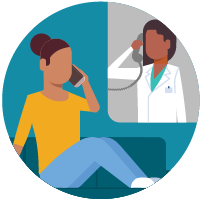
on the phone with doctor

Call ahead before visiting your doctor

  • Call ahead. Many medical visits for routine care are being postponed or done by phone or telemedicine.
  • If you have a medical appointment that cannot be postponed, call your doctor’s office, and tell them you have or may have COVID-19. This will help the office protect themselves and other patients.
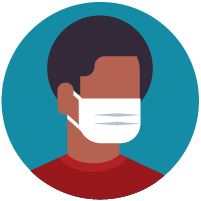
man wearing a mask

If you are sick wear a cloth covering over your nose and mouth

  • You should wear a cloth face covering, over your nose and mouth if you must be around other people or animals, including pets (even at home).
  • You don’t need to wear the cloth face covering if you are alone. If you can’t put on a cloth face covering (because of trouble breathing for example), cover your coughs and sneezes in some other way. Try to stay at least 6 feet away from other people. This will help protect the people around you.
Note: During the COVID-19 pandemic, medical grade facemasks are reserved for healthcare workers and some first responders. You may need to improvise a cloth face covering using a scarf or bandana.
More details: Cloth Face Covers
woman covering their mouth when coughing

Cover your coughs and sneezes

  • Cover your mouth and nose with a tissue when you cough or sneeze.
  • Throw away used tissues in a lined trash can.
  • Immediately wash your hands with soap and water for at least 20 seconds. If soap and water are not available, clean your hands with an alcohol-based hand sanitizer that contains at least 60% alcohol.
washing hands

Clean your hands often

  • Wash your hands often with soap and water for at least 20 seconds. This is especially important after blowing your nose, coughing, or sneezing; going to the bathroom; and before eating or preparing food.
  • Use hand sanitizer if soap and water are not available. Use an alcohol-based hand sanitizer with at least 60% alcohol, covering all surfaces of your hands and rubbing them together until they feel dry.
  • Soap and water are the best option, especially if hands are visibly dirty.
  • Avoid touching your eyes, nose, and mouth with unwashed hands.
More details: Handwashing Tips
don't share

Avoid sharing personal household items

  • Do not share dishes, drinking glasses, cups, eating utensils, towels, or bedding with other people in your home.
  • Wash these items thoroughly after using them with soap and water or put in the dishwasher.
cleaning a counter

Clean all “high-touch” surfaces everyday

  • Clean and disinfect high-touch surfaces in your “sick room” and bathroom. Let someone else clean and disinfect surfaces in common areas, but not your bedroom and bathroom.
  • If a caregiver or other person needs to clean and disinfect a sick person’s bedroom or bathroom, they should do so on an as-needed basis. The caregiver/other person should wear a mask and wait as long as possible after the sick person has used the bathroom.
High-touch surfaces include phones, remote controls, counters, tabletops, doorknobs, bathroom fixtures, toilets, keyboards, tablets, and bedside tables.
  • Clean and disinfect areas that may have blood, stool, or body fluids on them.
  • Use household cleaners and disinfectants. Clean the area or item with soap and water or another detergent if it is dirty. Then, use a household disinfectant.
    • Be sure to follow the instructions on the label to ensure safe and effective use of the product. Many products recommend keeping the surface wet for several minutes to ensure germs are killed. Many also recommend precautions such as wearing gloves and making sure you have good ventilation during use of the product.
    • Most EPA-registered household disinfectants should be effective. A full list of disinfectants can be found hereexternal icon.
father playing with his son

How to discontinue home isolation

People with COVID-19 who have stayed home (home isolated) can stop home isolation under the following conditions:
  • If you will not have a test to determine if you are still contagious, you can leave home after these three things have happened:
    • You have had no fever for at least 72 hours (that is three full days of no fever without the use medicine that reduces fevers)
      AND
    • other symptoms have improved (for example, when your cough or shortness of breath have improved)
      AND
    • at least 7 days have passed since your symptoms first appeared
  • If you will be tested to determine if you are still contagious, you can leave home after these three things have happened:
    • You no longer have a fever (without the use medicine that reduces fevers)
      AND
    • other symptoms have improved (for example, when your cough or shortness of breath have improved)
      AND
    • you received two negative tests in a row, 24 hours apart. Your doctor will follow CDC guidelines.
In all cases, follow the guidance of your healthcare provider and local health department. The decision to stop home isolation should be made in consultation with your healthcare provider and state and local health departments. Local decisions depend on local circumstances.